
7 Things Adults Over 35 Get Wrong About What Drinking Does To Their Liver
Number 4 is the one nearly everyone has done — on a Saturday morning, with a headache, thinking they were helping.
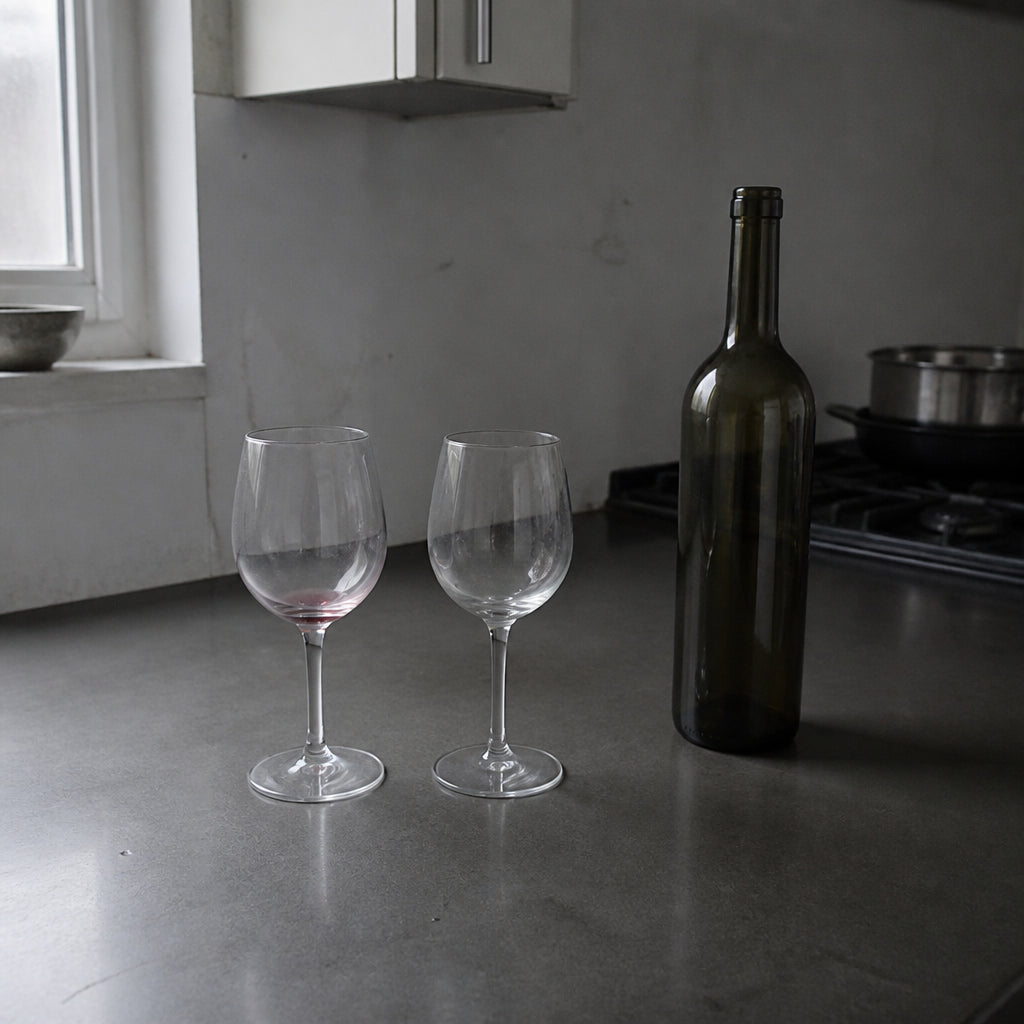

You are over thirty-five. You drink a normal amount — a few on a Friday, maybe a bottle of wine over a weekend. Nothing anyone would call a problem.
But two drinks now costs you the whole of Saturday. You hit a wall at three in the afternoon. And at some point a doctor looked at your blood test, circled one number, and said cut back, come back in three months.
Then nothing. Nobody tells you what to actually do for three months.
Here are the seven things people get wrong. Six of them cost nothing to fix. The seventh is the one underneath all the others, and it has a name.
You Blamed The Alcohol Itself

The alcohol is not what ruins your Saturday.
Your liver breaks alcohol down into a poison called acetaldehyde. That is the thing that makes you feel like death. It sits in your blood until your liver can clear it out.
Clearing it costs something. Your liver spends an antioxidant called glutathione doing the job. Your body makes glutathione fresh every day and cannot store any.
At twenty-five, two drinks was a job your liver finished while you slept. At forty-five the same two drinks land on a liver that is already short — because after thirty you make about ten percent less glutathione every decade.
Same drink. Same you. Less left in the tank to clean it up.
You Took Milk Thistle And Quit When Nothing Changed

You bought milk thistle. You took it for a month. Nothing happened, so you stopped. There is probably still a half-full bottle in the cupboard.
You were not conned. You had the right idea and the wrong product.
Milk thistle guards liver cells. That is a real job and it probably does it. What it cannot do is make the antioxidant those cells spend.
Think of a shop with a security guard on the door and nothing on the shelves. The guard is doing his job. It does not help.
You Bought Glutathione Itself, Because That Is The Obvious Move
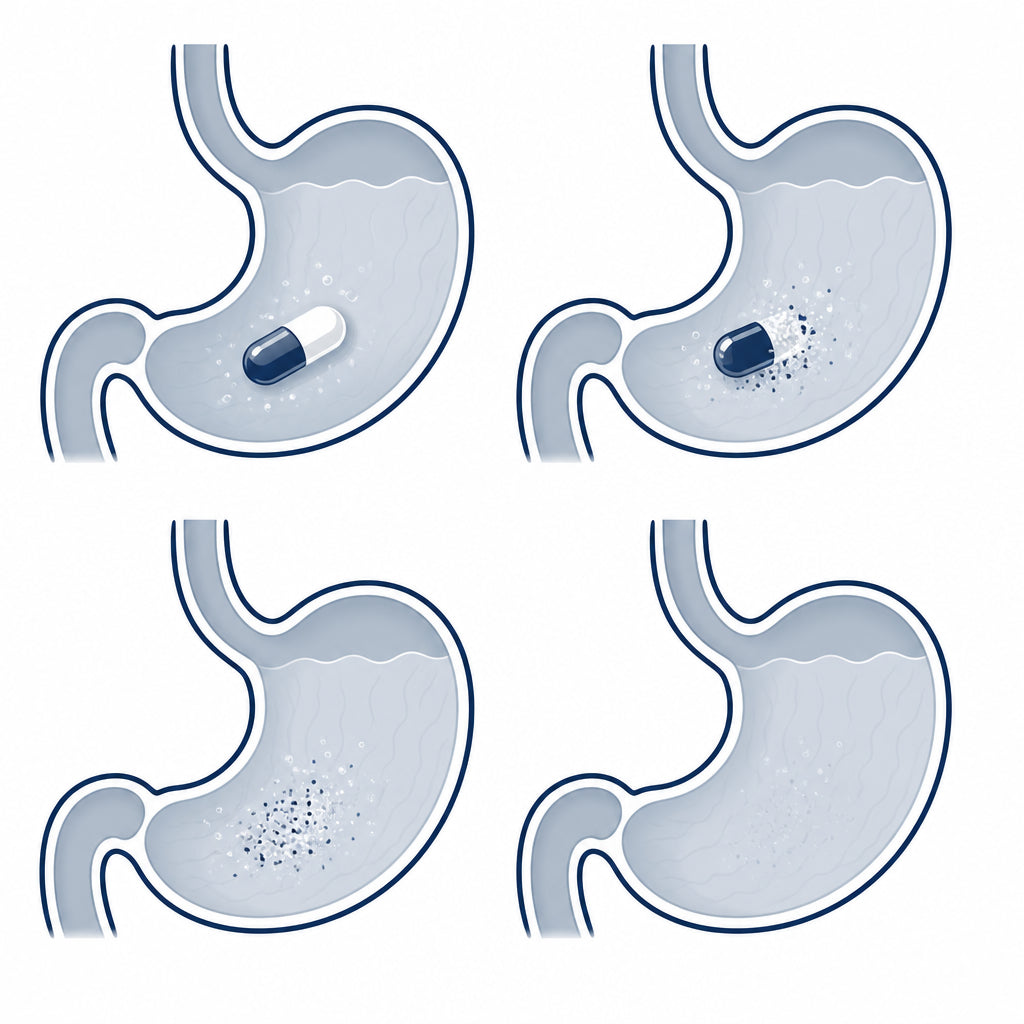
This is the sensible mistake. If glutathione is what runs out, buy glutathione. Every health shop sells it.
It does not work, and the reason is simple. Your stomach takes it apart before it ever reaches your blood. You are paying for something that gets destroyed on the way in.
So hospitals do not use it either. They use the raw material your body builds glutathione out of — N-acetyl-cysteine, or NAC. That survives the trip, and your liver does the building at the other end.
Buy the bricks, not the wall.
You Took Tylenol For The Hangover
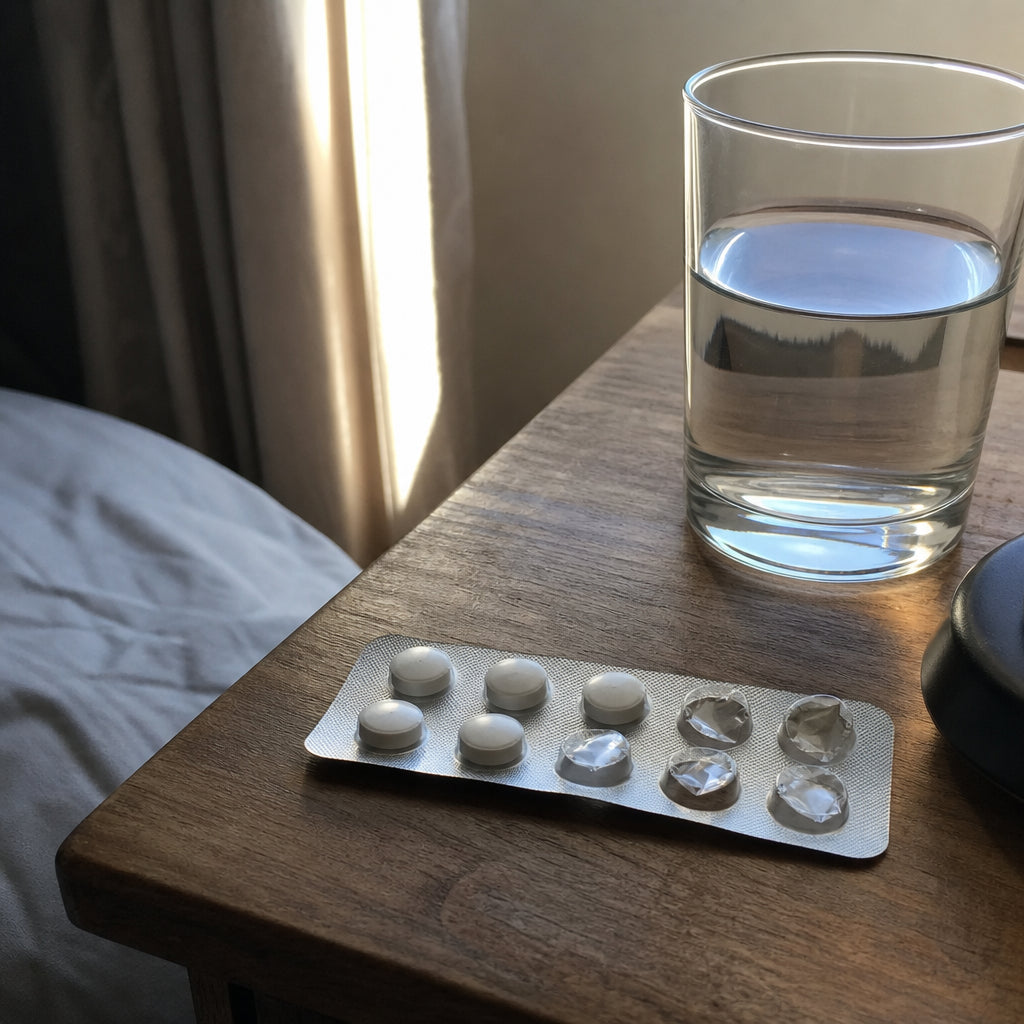
This is number 4 and it is the one nearly everybody has done, usually on a Saturday morning, usually while trying to be sensible.
Acetaminophen is metabolised into a compound called NAPQI, which is toxic to liver cells. Your body neutralises it — using glutathione. So the painkiller you took because your liver was already behind is itself a withdrawal from the same account.
Here is the part that reframes it. When someone takes a genuine overdose of acetaminophen and reaches an emergency department, the antidote that goes into the IV is N-acetyl-cysteine. It has been standard care since the 1960s and it sits on the World Health Organization's Essential Medicines list. The hospital's answer to an empty glutathione tank is to refill it, fast.
A daily 600 mg softgel is not an emergency intervention and nothing here is a reason to change how you take a painkiller. It is daily support for the same system the hospital tops up all at once.
Before number 5 — if you have already done three of these, the rest of the list makes more sense once you know what sits at the end of it.
See what it costsYou Used “I Feel Fine” As A Liver Test
Your liver has almost no nerve endings. It cannot hurt. It has no way of telling you anything is wrong.
It can be in trouble for years and you will feel completely normal. That is not a scare line, it is just how the organ is built — and it is why a bad blood test blindsides people who felt fine the day before.
Feeling fine is not a result. It is just the absence of a warning light your liver never had.
You Waited For The Retest Instead Of Using The Three Months
“Cut back and we'll test again in three months.” Good advice. It is also a list of things to stop, and nothing to start.
So most people cut back for a fortnight, drift, and turn up to the retest having wasted the whole window.
Here is the part nobody mentions. A 2010 trial published in Hepatitis Monthly gave patients with non-alcoholic fatty liver disease NAC at 600 mg every twelve hours for three months, and reported a statistically significant reduction in ALT against a vitamin C control.
Three months. The same three months your doctor just gave you. You can spend that window or you can use it.
Nobody Told You Your Liver Is Rusting — And That It Is Reversible Chemistry
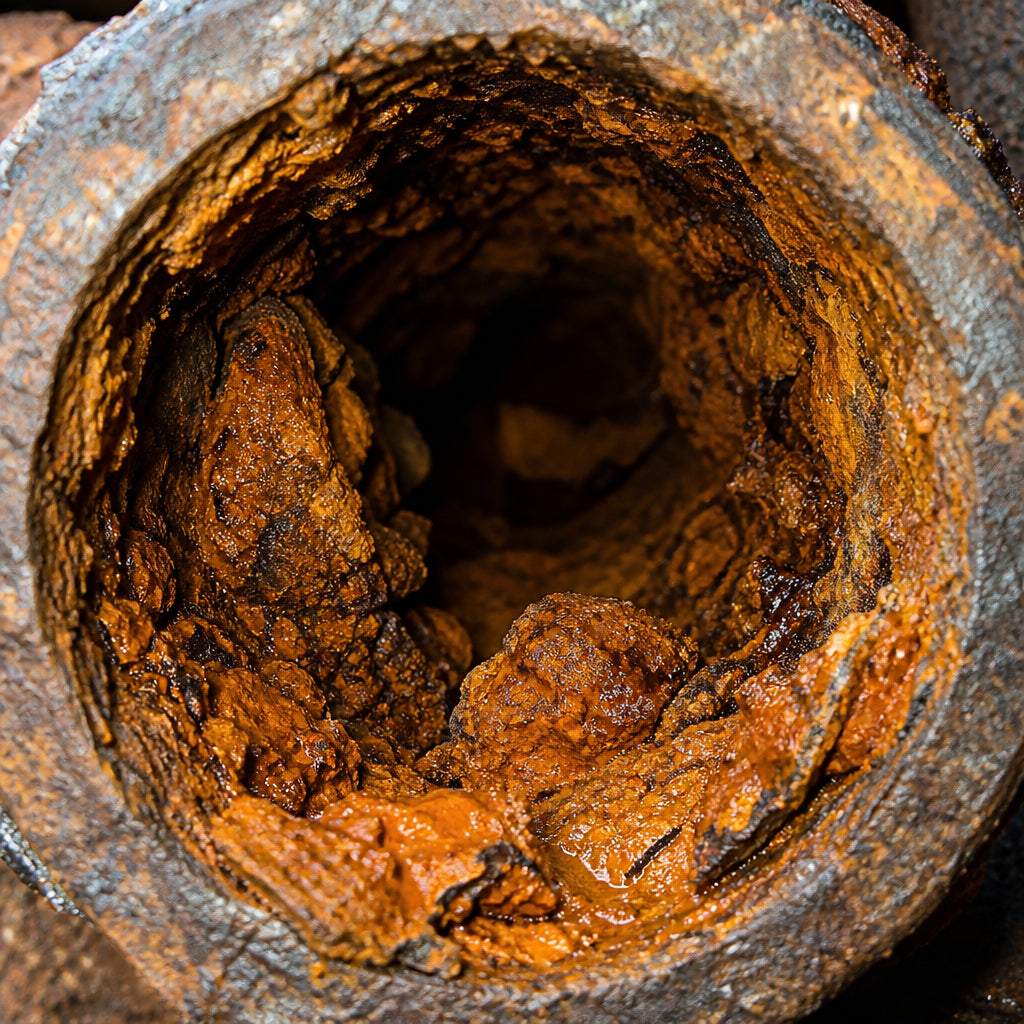
Here is the one underneath the other six, and it has a name.
Your liver is rusting. Not as a figure of speech — as chemistry. Every drink, every painkiller, every takeaway gets broken down by your liver, and that process oxidises the tissue doing the work. Oxidising is rusting. It is the same reaction that eats through a gate, happening inside an organ. One thing stops it: an antioxidant called glutathione. Anti-oxidant. Anti-rust. Your body makes it fresh every day and cannot store it — and after thirty you make about ten percent less of it every decade. So the rust does not stop. There is just less and less standing in front of it.
Call it liver rust. It is not dramatic and it is not sudden — rust never is. It is a slow chemical change in the tissue that does the work, it runs quietly for years, and it shows up as the Saturday you lose, the three o'clock wall, and eventually as a number on a page your doctor circles.
And like every other kind of rust, the thing that stops it is not a coat of paint over the top. It is having the anti-rust there before the oxidation does.
So What Do You Actually Do About It?
Fix the first six anyway. They cost nothing, and they will get more out of whatever you are already doing.
But if the seventh is the real one — if the problem is that the clean-up runs out faster than you rebuild it — then the thing to change is the supply, and the supply has a name and a studied dose.
“We spent twenty years arguing about which herb protects the liver. The thing it actually spends, every day, is not a herb, and it is the one nobody put on a shelf.”
Dr. Neil Prentice, MD, hepatologist (26 years, retired)
Mantle NAC600 is 600 mg of NAC with NAD+, in a coconut and MCT oil softgel. 2 softgels a day. That is the whole routine.
The oil matters. Dry NAC powder gets wrecked by stomach acid, and whatever does not absorb ends up in your gut, where bacteria turn it into hydrogen sulfide — rotten eggs. That is the burp everybody remembers, and it is the reason most people quit NAC inside a week.
Those burps were never a side effect you had to put up with. They were a receipt for a dose that never arrived. Oil carries it through instead.
N-Acetyl-L-Cysteine
The raw material your body converts into glutathione. Not the antioxidant itself — the thing it is built from, which is the part your stomach can actually absorb. Swallowing glutathione directly does not work; stomach acid breaks the molecule before it reaches your bloodstream.
NAD+
Nicotinamide adenine dinucleotide sits in the reaction that turns what you eat into usable cellular energy. It is in the formula because the complaint underneath most of this is not a blood number, it is the four o'clock wall.
Coconut & MCT oil
The reason there are no sulfur burps. Dry NAC powder degrades in stomach acid and what does not absorb reaches the large intestine, where gut bacteria turn it into hydrogen sulfide. An oil-filled softgel carries it through.
It is the same compound the hospital uses, at a daily dose rather than an emergency one, taken in a form that reaches you.
If you have a three-month window and a number you would like to be different at the end of it, you already have a reason to start this week rather than in February.